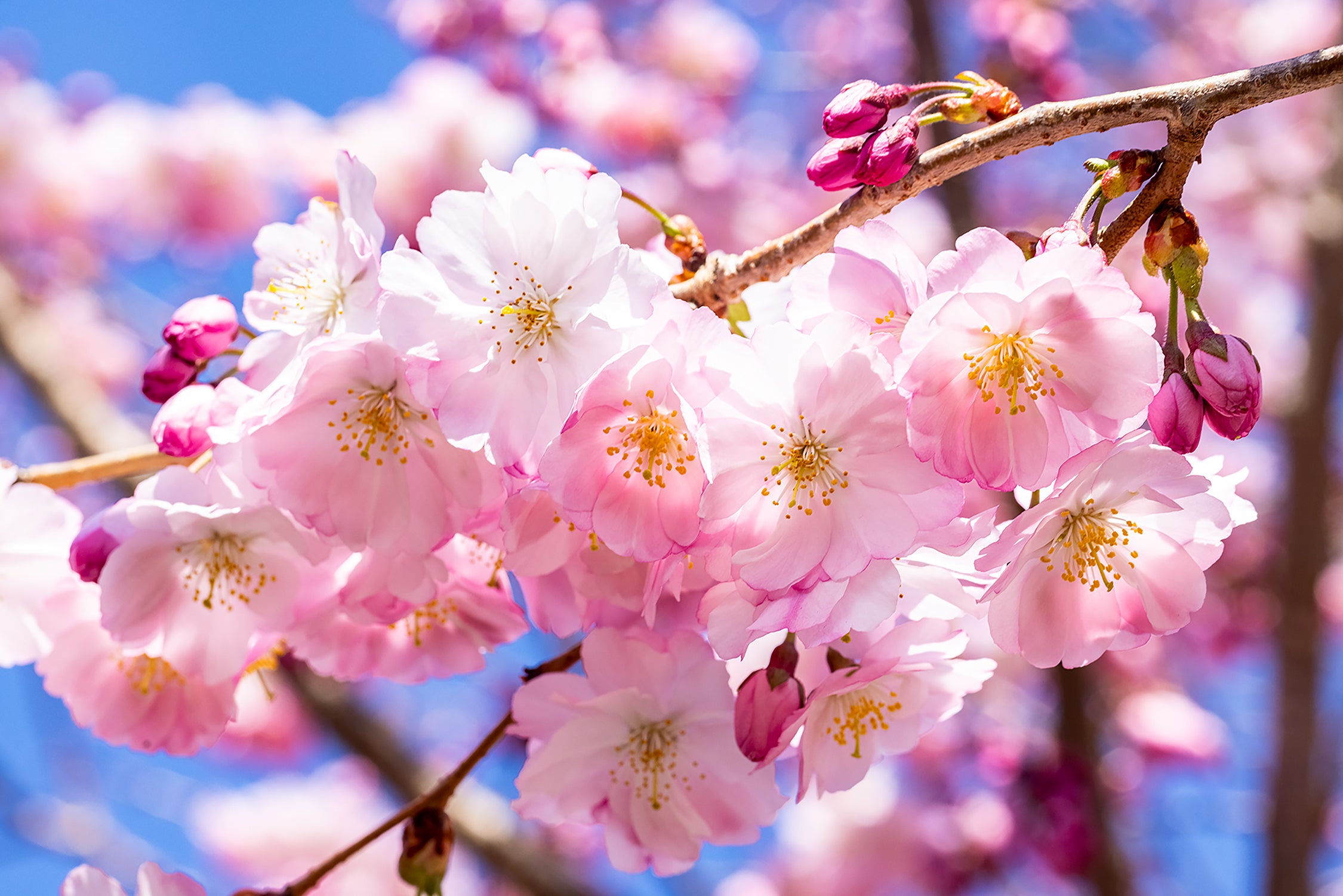
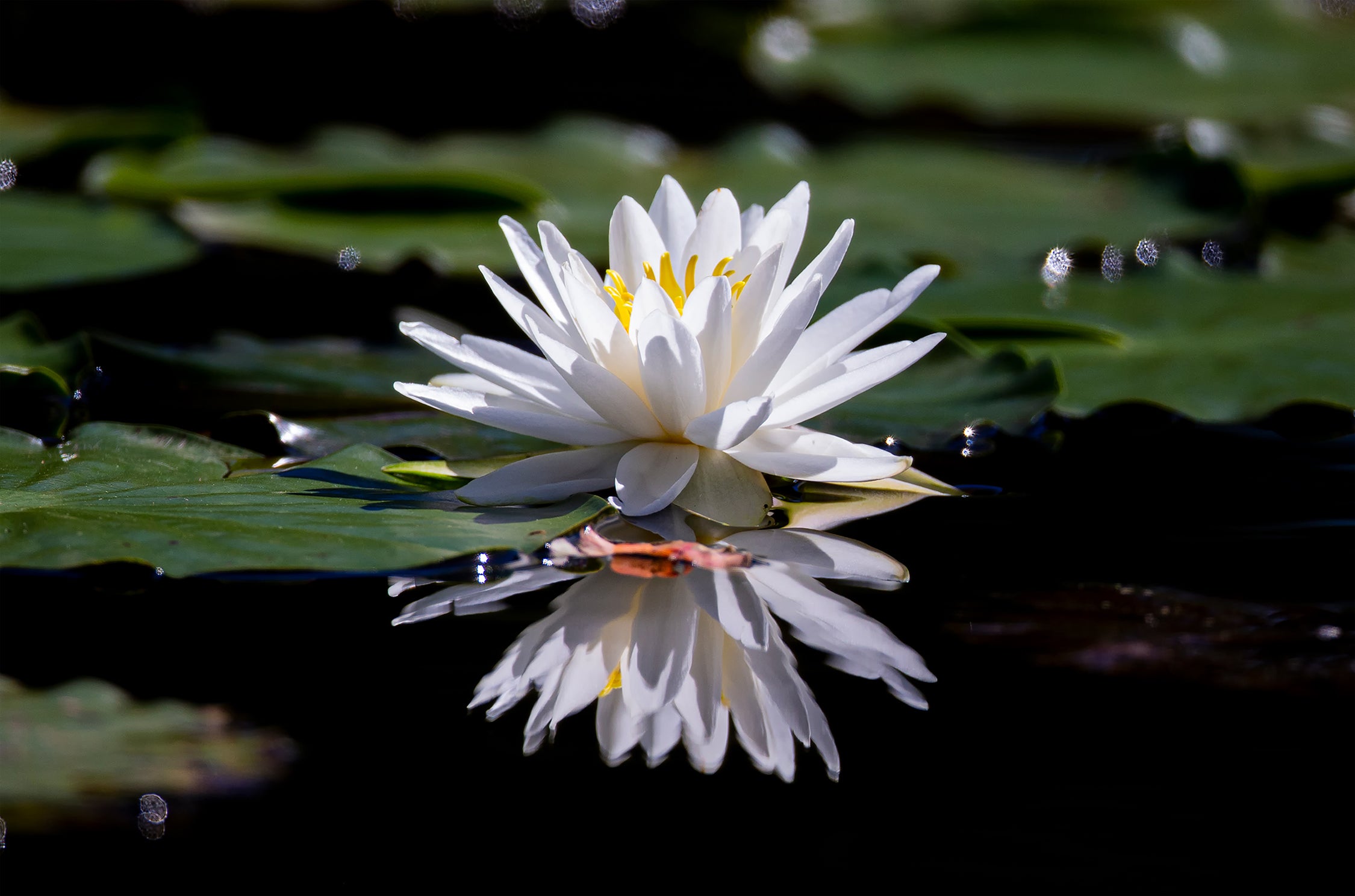
When you admire a stunning piece of flower photography for sale hanging on a gallery wall, you are witnessing the culmination of hundreds of meticulous decisions. The image appears effortless—a fleeting moment of beauty captured simply. In reality, exceptional fine art flower photography represents deliberate artistry: intentional subject selection, sophisticated lighting design, precise compositional choices, and masterful post-processing refinement.
At Willo Felix Fine Art, we believe understanding the creative process deepens appreciation for the finished work. Our floral photography art and nature art photography emerge from rigorous methodology—a framework transforming botanical subjects into museum-quality fine art.
In this comprehensive guide, we will walk you through our creative process—from initial subject selection through final gallery-quality printing—revealing the artistry transforming flowers into fine art wall installations.
Before pressing the shutter, we spend considerable time understanding the botanical subject—its characteristics, seasonal variations, and visual possibilities.
Research Phase:
Why This Matters:
Deep subject knowledge enables intentional artistic decisions. Understanding how light interacts with transparent petals, how color shifts across bloom stages, and what makes this specific flower botanically distinctive informs every subsequent choice.
Fine art flower photography requires conceptual clarity—understanding not just what you are photographing, but why and what you want to communicate.
Key Questions:
This conceptual framework guides lighting, composition, and post-processing decisions later.
Fine art photography lighting differs dramatically from casual documentation. We employ multiple sophisticated techniques:
Backlighting Strategy:
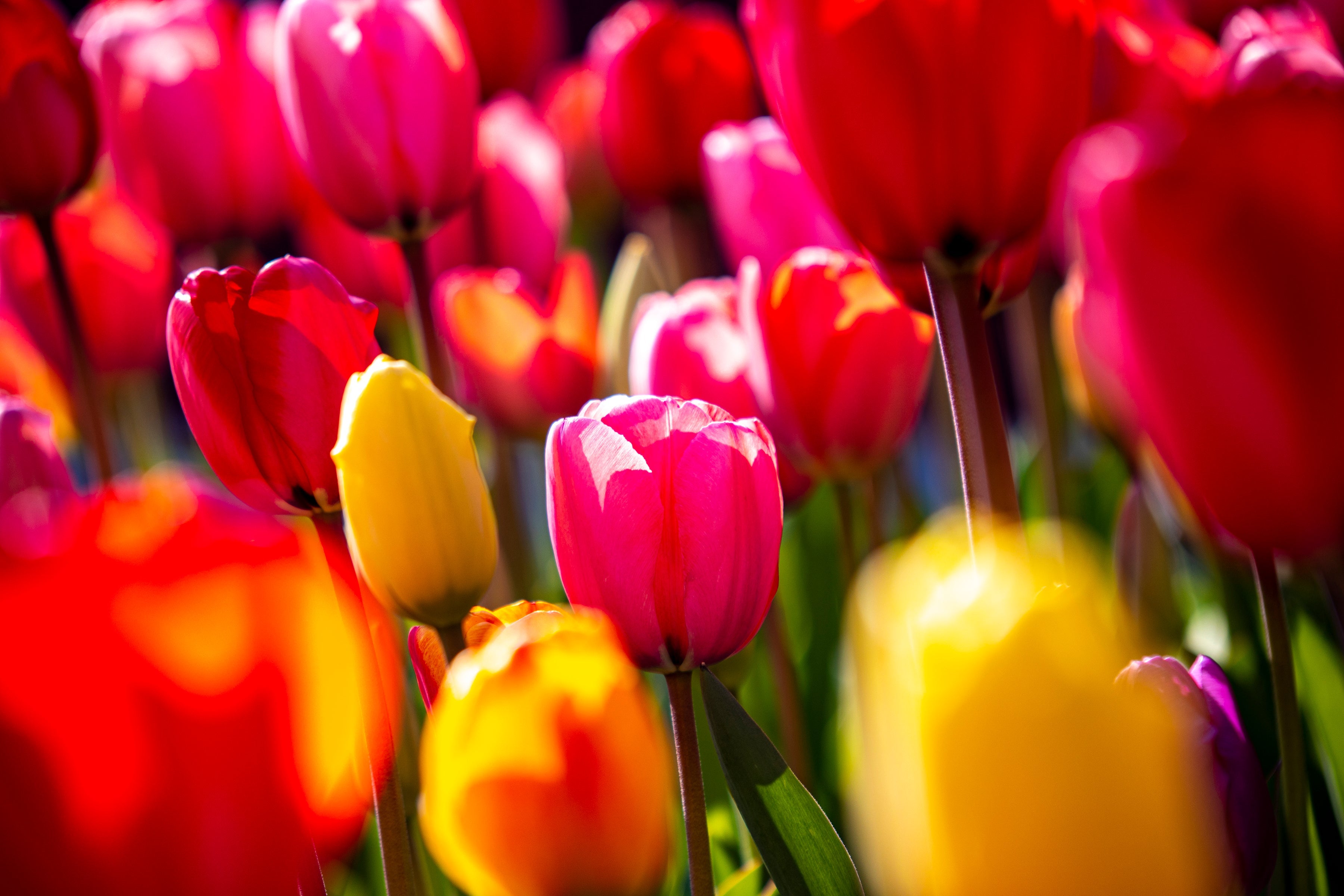
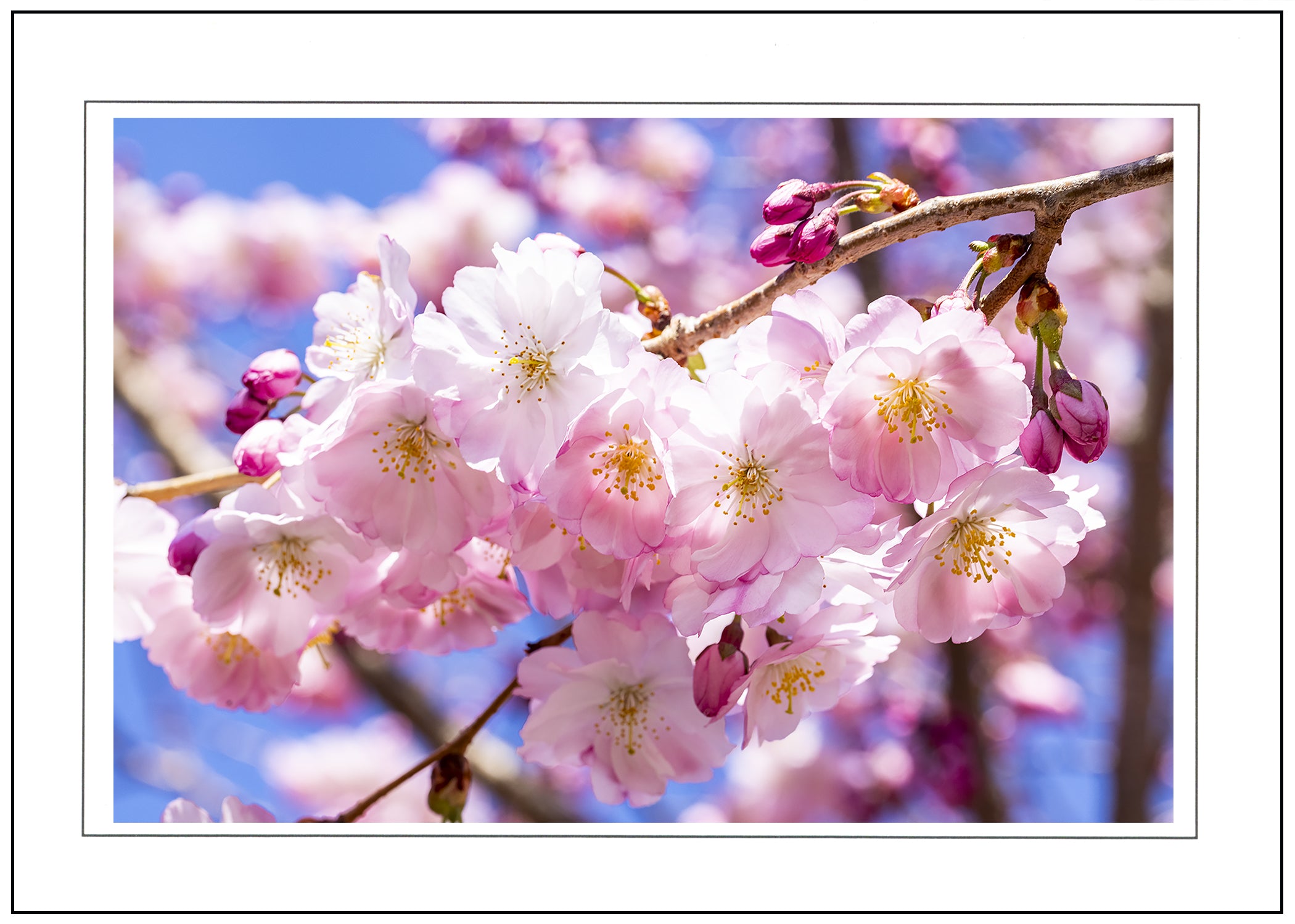
Positioning light sources behind subjects creates translucency—light passing through petals reveals internal structure and creates ethereal qualities. Backlighting transforms flowers from flat surfaces into three-dimensional sculptural forms.
Diffusion Mastery:
Raw direct light creates harsh shadows incompatible with fine art aesthetics. Professional diffusers soften light quality, creating even illumination highlighting petal texture without blown-out highlights or deep shadows.
Multi-Light Systems:
Rather than single light sources, professional floral photography art often employs multiple carefully positioned lights:
This complexity requires extensive positioning and balancing—often involving 4+ hours for a single image.
Fine art painting principles translate directly to flower wall art photography:
Rule of Thirds and Subject Placement:
Rather than centering flowers, professional composition positions subjects along grid intersections—creating visual dynamism and interest.
Depth and Layering:
Multiple flowers at varying distances from the camera create depth and visual complexity. Selective focus renders some elements sharp while softening others, guiding viewer attention.
Color and Contrast Relationships:
Colors are positioned deliberately—complementary colors positioned opposite each other create visual tension; analogous colors create harmony. Contrast between subject and background ensures visual separation.
Background Consideration:
The background receives equal attention to the subject. Whether abstract blur or intentional negative space, backgrounds are designed—not accident.
Professional flower photography for sale demands technical excellence:
Macro and Close-Focus Optics:
Specialized lenses enable extreme magnification, revealing botanical detail invisible to casual observation. Depth of field becomes critical—often only millimeters of sharpness against intentional blur.
Exposure Management:
Precise metering ensures optimal exposure—critical with translucent subjects where backlighting creates extreme exposure challenges. Often requiring manual bracketing to capture full tonal range.
Shutter Speed and Aperture Balance:
Shallow apertures create dimensional separation; slower shutter speeds with stabilized positioning capture fine detail and texture.
Image Stabilization:
Tripods, focus rails, and positioning devices enable precision impossible through handheld operation.
Advanced fine art photography often combines multiple images:
Focus Stacking:
Multiple images at different focus distances are combined in post-processing, extending sharpness across the entire subject.
Exposure Blending:
Multiple exposures at different brightness levels are merged, capturing detail in both highlights and shadows—impossible in single exposures.
Intentional Camera Movement:
Some artistic pieces deliberately blur motion—creating abstract botanical impressions emphasizing emotion over documentation.
Post-processing for fine art flower photography is sophisticated and intentional—not casual editing:
Color Grading:
Each image receives custom color treatment—toning down oversaturated colors, bringing forward subtle hues, creating cohesive color palettes. Professional-grade tools (Lightroom, Capture One, Photoshop) enable pixel-level control.
Tonal Refinement:
Careful adjustment of blacks, whites, midtones, and highlights ensures optimal contrast and visual impact. Vignetting subtly darkens edges, guiding viewer attention toward centers.
Detail Enhancement:
Selective sharpening emphasizes fine detail—petal texture, stamen structure—without creating artificial appearance. Clarity and texture controls add three-dimensional quality.
Creative Treatments:
Some fine art painting qualities are added through post-processing—ethereal glows, painterly effects, or intentional soft-focus qualities enhancing emotional resonance.
Professional nature art photography often develops as series—individual images that work together creating larger narrative or visual language.
Consistency of Treatment:
Color palettes, tonal ranges, and stylistic elements are coordinated across series—creating cohesive artistic voice.
Thematic Development:
Images explore variations on themes—same flower species photographed at different bloom stages, in different lights, with different compositional approaches.
Flower wall art quality depends heavily on printing substrate—the material receiving the image:
Cotton Rag Papers:
Premium fine art papers (Hahnemühle, Epson, Canson) offer:
Canvas Options:
Cotton-blend canvas provides alternative aesthetic—gallery-like presentation with slight texture.
Metallic and Alternative Substrates:
Some fine art pieces employ unconventional substrates—creating unique visual and tactile qualities.
Professional flower photography for sale demands museum-quality production:
Archival Inks:
Professional pigment-based inks ensure longevity—remaining vibrant for 100+ years without color shifts or fading.
Color Accuracy:
Professional printing systems (Epson SureColor, Canon imagePROGRAF) achieve 99%+ color accuracy, reproducing on-screen colors faithfully.
Resolution and Detail:
Fine art printing captures image resolution fully—fine detail and texture apparent even at close inspection.
Print Finishing:
Professional mounting, matting, and framing ensure presentation matching artwork quality.
Willo Felix Fine Art specializes in exceptional floral photography art, fine art flower photography, and nature art photography. Our creative process—detailed above—produces gallery-quality flower photography for sale as fine art pieces.
Our flower wall art collection features:
Q: Why does fine art flower photography cost more than regular flower photos?
A: Fine art photography represents hundreds of hours across the creative process—subject research, advanced equipment, sophisticated lighting setups, expert post-processing, and museum-quality printing. Premium pricing reflects genuine artistry and production quality.
Q: What makes a flower photograph "fine art" vs. decoration?
A: Fine art flower photography demonstrates artistic intentionality—deliberate compositional choices, technical mastery, unique artistic voice, and conceptual depth. Decorative photography is pleasant but without distinct artistic perspective.
Q: Can I purchase flower wall art in custom sizes?
A: Many artists offer custom sizing. However, limited editions have fixed sizes. Contact specific artists regarding customization options.
Q: How do I care for fine art flower photography prints?
A: Display away from direct sunlight, maintain moderate humidity (30-50%), and dust occasionally with soft cloths. Professional framing with UV-protective glass maximizes longevity.
Q: What is focus stacking?
A: Multiple exposures at different focus distances are merged in post-processing—extending sharpness across the entire subject. This technique enables impossible depth-of-field scenarios.
Q: Why is the background important in flower photography?
A: Backgrounds separate subjects from distracting elements, direct viewer attention, and contribute significantly to emotional impact. Professional backgrounds are designed, not accidental.
Q: How long does it take to create a fine art flower photograph?
A: From initial conceptualization through final print delivery: typically 2-4 weeks per image. Lighting setup, capture, post-processing, and printing all require substantial time.
Q: Is fine art flower photography limited edition?
A: Many artists produce limited editions—increasing scarcity and investment value. Others offer open editions. Check specific artist policies regarding edition limits.
Fine art flower photography represents far more than pointing a camera at attractive flowers. It is sophisticated artistry: meticulous subject selection, advanced technical execution, and masterful refinement translating botanical subjects into gallery-quality fine art wall pieces.
Understanding this process deepens appreciation for finished work. The floral photography art adorning your walls represents thousands of intentional decisions—each contributing to final artistic vision.
Willo Felix Fine Art invites you to experience fine art flower photography created through this meticulous process—transforming botanical beauty into lasting art.
Explore Willo Felix Fine Art Floral Photography
Email: contact@willofelix.com
Website: www.willofelix.com
Specialization: Fine Art Flower Photography, Floral Photography Art, Nature Art Photography, Fine Art Prints